Pain relief from pressure-point treatment is not the same as rebuilding strength, mobility, balance or movement control. By comparing treatment goals, safety checks and progress measures, you can decide when acupressure is a reasonable addition and when a physiotherapy assessment or medical evaluation must come first.
Key takeaways
- Acupressure cannot restore strength, coordination, gait, or restricted movement.
- Use acupressure for selected muscle tension only after serious causes are assessed.
- Ask for an examination, treatment goals, visit frequency, and progress measures.
- Choose a clinic that coordinates acupressure with physiotherapy when rehabilitation is needed.
Can acupressure replace physiotherapy for your problem?
Acupressure cannot replace physiotherapy when your problem involves weakness, restricted movement or poor coordination. It may offer short-term comfort for selected pain or muscle-tension problems, but pressing points alone does not assess or restore strength, range of motion, gait, balance, coordination or movement control.
| Approach | Examination | Treatment goal | Techniques and expected outcome |
|---|---|---|---|
| Acupressure | Symptom-focused questioning and point selection | Reduce discomfort or muscle tension | Sustained pressure; relief may be temporary |
| Physiotherapy | Functional assessment of movement, strength, mobility and balance | Restore capacity and daily function | Progressive exercise, education, activity changes and manual therapy when appropriate |
Research on acupressure for chronic pain is condition-specific, while exercise-based rehabilitation addresses the factors that maintain disability. That distinction matters when searching for physiotherapy clinic PCMC alternatives. Repeated passive sessions can feel helpful yet leave a weakness, altered gait or movement-control problem unchanged.
Ask whether the plan includes:
- A clearly identified functional problem, not only a pain score
- Home exercises or self-management steps
- Measures such as walking tolerance, sleep, work tasks, strength or range of motion
- A review date and a change in plan if progress stalls
The answer to can acupressure help instead of physiotherapy clinic in PCMC is condition-specific: it can complement rehabilitation when it does not delay assessment, exercise or medical care. Choose assessment first if pain follows significant trauma or comes with progressive weakness, numbness, bladder or bowel changes, fever or unexplained weight loss.
Which conditions suit acupressure, and which need assessment first?
Gentle acupressure can suit muscle tension, uncomplicated aches and selected chronic pain symptoms when your skin is intact and movement is not deteriorating. Use acupressure for chronic pain as a comfort measure, not proof that the underlying problem has been diagnosed or corrected.
| Condition | Acupressure role | Assessment needed |
|---|---|---|
| Muscle tension or uncomplicated ache | Gentle pressure may ease short-term discomfort | Seek review if it persists, spreads or limits movement |
| Selected chronic pain | Possible adjunct for comfort, sleep or activity | Use a structured plan; evidence varies by condition |
| Significant injury or suspected nerve compression | Do not rely on pressure alone | Physiotherapist or doctor should assess movement, strength and sensation |
| Post-surgical weakness or stroke-related disability | Not a substitute for rehabilitation | Coordinated professional assessment is required |
| Neurological symptoms | Avoid delaying diagnosis with self-treatment | Arrange prompt medical assessment |
Acupressure is the wrong first step after major trauma, with progressive weakness, or when pain accompanies a neurological change. Pressing points cannot identify a fracture, restore lost strength or determine whether a nerve is compressed.
Seek prompt medical assessment, or emergency care where appropriate, for:
- Sudden weakness or new numbness
- Loss of bladder or bowel control
- Severe trauma
- Fever with pain
- Unexplained weight loss
- Rapidly worsening symptoms
Avoid pressure over open wounds, infected skin, fresh surgical sites or areas with reduced sensation. Stop if you develop bruising, dizziness or worsening pain, and seek qualified advice before treatment if you take anticoagulants or have circulation concerns.
What happens during an acupressure appointment?
A first appointment should include a health history, a basic physical or functional screen, and a clear explanation of the proposed pressure points. The provider should ask about:
- Symptom location, onset, severity and triggers
- Diagnoses, medicines, previous treatment and any surgery
- Bleeding problems, anticoagulants, circulation concerns and pregnancy-related concerns
- Walking, movement or daily activities affected by the problem
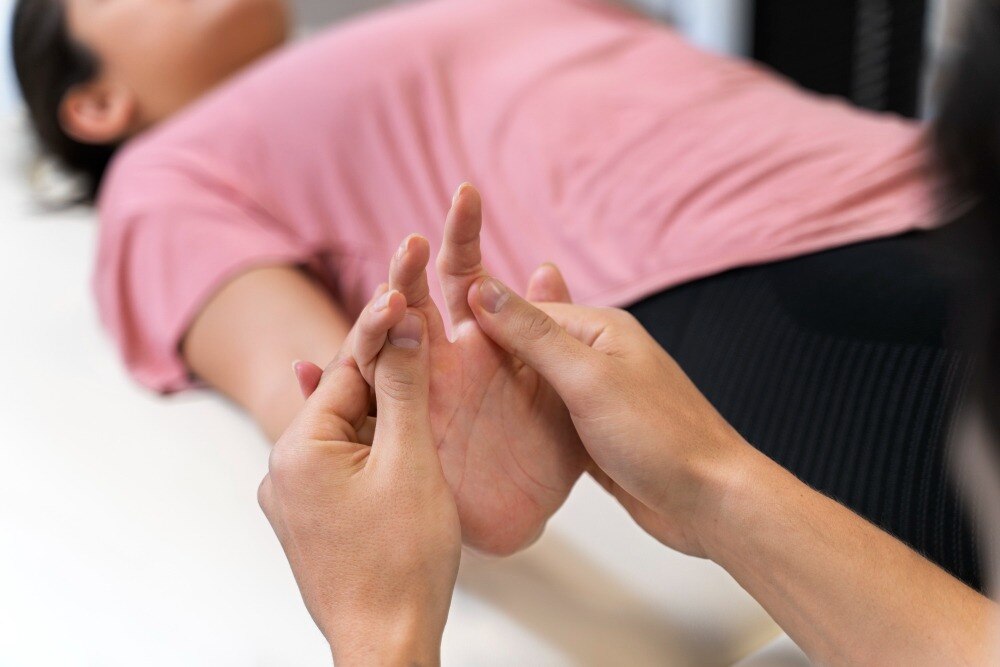
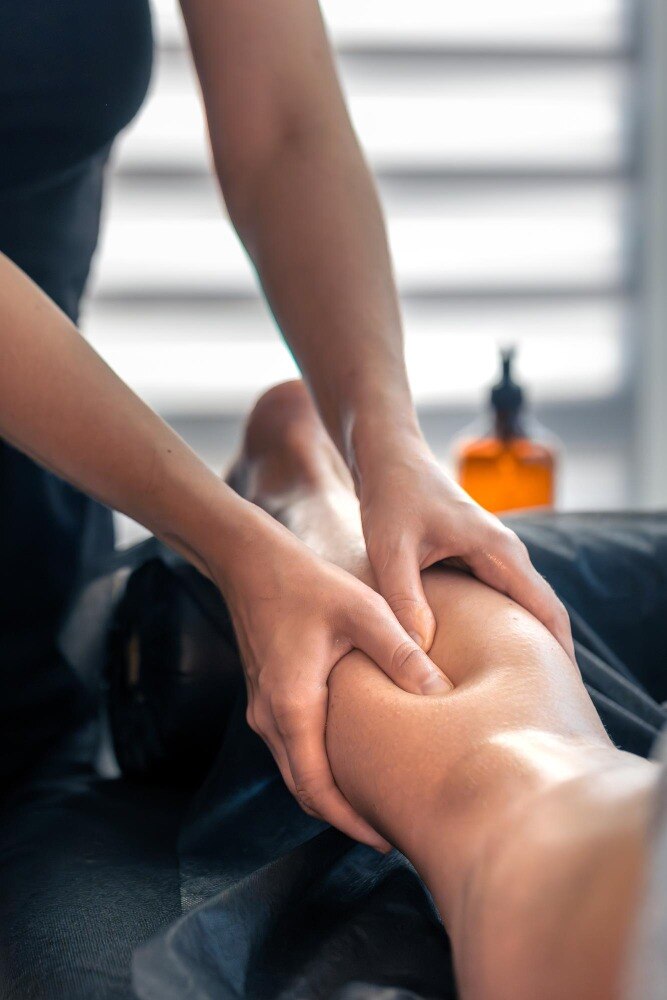
You may lie on your back, stomach or side, or sit while the provider applies manual pressure to selected points on intact skin. The provider should explain why those points were chosen, how long the session will last and what sensations to expect.
Tell them immediately if pressure causes sharp pain, excessive tenderness, dizziness, nausea or worsening symptoms; tolerable pressure should not require you to endure distress.
Afterward, follow the provider’s guidance about hydration, activity and exercise. Watch for persistent soreness, bruising or symptom aggravation, and report these changes before another session. Do not allow pressure over open wounds, infected or inflamed skin, fresh surgical sites or areas with markedly reduced sensation.
Seek qualified advice before treatment if you take anticoagulants or have a bleeding or circulation disorder, or if pregnancy affects your care.
How should acupressure be used for chronic pain and rehabilitation?
For chronic pain, use acupressure for chronic pain as a comfort tool, not a cure. A useful goal is reducing discomfort enough to sleep, walk, work, or take part in prescribed exercise. Relief during or after a session does not prove that tissue capacity, strength, mobility, balance, or daily function has been restored.
Track improvement beyond a pain score:
- Walking tolerance, such as minutes or distance before symptoms limit you
- Sleep duration and night waking
- Joint range of motion and measurable strength
- Work tasks or daily activities you can complete
- Confidence with movement
After an injury or surgery, acupressure might make exercise more manageable, but a physiotherapist should remain involved when weakness, restricted movement, or altered gait is present. Pressing points cannot replace progressive loading, mobility work, balance practice, or movement retraining.
Stroke recovery and other neurological rehabilitation require coordinated professional care because sensation, strength, coordination, muscle tone, and safety need repeated assessment.
Stop and review the plan within the agreed review period if symptoms have not improved. Seek reassessment sooner if pain worsens or function becomes more limited. The review should examine both symptom relief and whether you are sleeping, moving, working, and exercising more effectively.
How do you choose a local clinic and compare its plan?
Compare plans by what they measure, not by how close the clinic is. A search result for “acupressure clinic PCMC” or “acupressure clinic Wakad” proves location, not effectiveness.
| Feature | Acupressure-only plan | Complementary rehabilitation plan |
|---|---|---|
| Assessment | Identifies painful areas and pressure points | Examines strength, movement, balance, gait or other functional limits |
| Treatment | Repeated passive pressure sessions | Acupressure alongside exercises, activity changes and physiotherapy when needed |
| Outcome | Relief described mainly through pain scores or testimonials | Progress tracked through walking, sleep, range of motion, work or daily tasks |
| Review | Continues without a defined checkpoint | Sets a review date and changes the plan if progress stalls |
Ask these questions before booking:
- What professional qualification does the practitioner hold, and what specific training covers acupressure?
- What is the fee per visit, and what does it include?
- How are hands cleaned, treatment surfaces disinfected and skin problems handled?
- Will you receive a record of symptoms, findings, pressure used and progress?
- Which physiotherapist or doctor will they refer you to if weakness, numbness or worsening pain appears?
- What home exercises or self-management steps fit your problem?
- What happens if you do not improve by the agreed review date?
Dikshant Acupuncture and Chiropractic Center PCMC is one provider you can ask these questions, just as you would at any local clinic. Treat guaranteed cures, “blocked energy” explanations and testimonials as marketing, not outcome measures; confirm that acupressure complements assessment rather than replacing it.
Related service
Acupressure Clinic in PCMC Acupressure Clinic in Wakad, Ravet, Nigdi, Bhosari, PCMC ₹300 Dikshant Acupuncture and Chiropractic Center is a renowned Acupressure Clinic in Chinchwad, Nigdi, Chikhali, Bhosari, Pimpri, Kalewadi, Rahatani,... View service → |
Frequently asked questions
Can acupressure replace physiotherapy for your problem?
No. Acupressure may ease selected pain or muscle tension, but it does not assess or restore strength, range of motion, gait, balance, coordination, or movement control.
Which conditions suit acupressure, and which need assessment first?
Acupressure may suit uncomplicated muscle tension or selected pain after assessment. Seek evaluation first for weakness, restricted movement, poor coordination, balance problems, numbness, injury, or worsening symptoms.
What happens during an acupressure appointment?
The practitioner discusses your symptoms and health history, checks the painful area and movement, identifies treatment points, applies manual pressure, and reviews your response and next steps.
How should acupressure be used for chronic pain and rehabilitation?
Use it as a comfort-focused component alongside assessment, exercise, and movement retraining. Track pain, function, range of motion, and activity tolerance instead of judging progress by temporary relief alone.
How do you choose a local clinic and compare its plan?
Ask who will assess you, what the treatment aims to change, how progress will be measured, how many visits are proposed, and when referral to physiotherapy or medical care is needed.
Keywords